

Understanding Russia Sanctions: Guidance for Compliance
Navigating the intricacies of guidance on Russia sanctions can be a daunting task for businesses and individuals alike. With the geopolitical landscape shifting continuously, it is vital to stay updated on the latest regulations and restrictions imposed by various countries in response to Russia’s actions on the global stage. This article aims to provide an insightful overview of the sanctions in place, the legal frameworks governing them, and practical advice for compliance.
Overview of Russia Sanctions
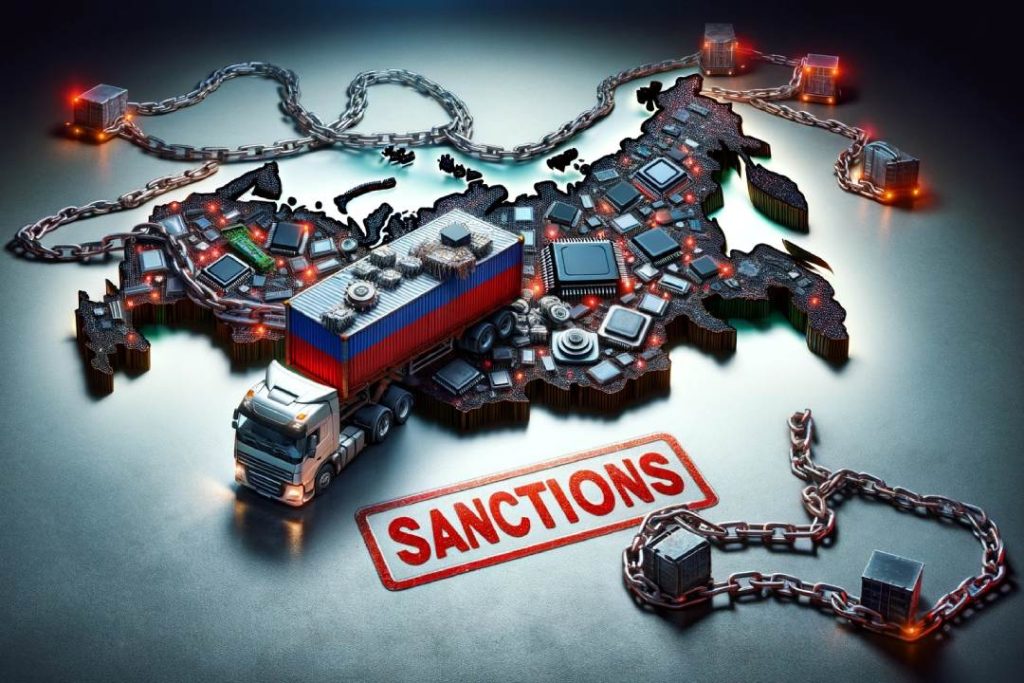
Russia sanctions have been implemented by numerous countries, notably the United States, European Union, United Kingdom, and other allies, primarily as a response to Russian actions that violate international norms. These sanctions can be broadly categorized into economic sanctions, trade restrictions, and travel bans. The complexity of these sanctions lies not only in their variety but also in their rapid evolution in response to ongoing political developments.
Types of Sanctions
1. Financial Sanctions: These limit Russia’s ability to access international financial markets. They may include prohibitions on transactions with certain banks or companies, asset freezes, and restrictions on borrowing.
2. Trade Sanctions: These restrict the export of specific goods and technologies to Russia, particularly those related to the military, energy, and dual-use goods.
3. Sectoral Sanctions: Targeting specific economic sectors such as oil, finance, and defense, these sanctions aim to undermine the strategic capabilities of the Russian economy.
4. Individual Sanctions: Travel bans and asset freezes imposed on specific individuals involved in actions against international laws, such as government officials and oligarchs.
Legal Framework and Compliance
Understanding the legal framework behind sanctions is crucial for compliance. Sanctions regimes differ by jurisdiction, and it is essential to know which sanctions apply to your organization. In many cases, businesses are required to conduct due diligence to avoid engaging with sanctioned entities inadvertently.
Organizations must regularly review their transactions and relationships, ensuring they are not inadvertently doing business with prohibited parties. This may involve using screening tools to monitor and evaluate their business partners.
Challenges in Compliance
Businesses face several challenges while attempting to comply with sanctions. Some of these challenges include:
- Rapid Changes: The geopolitical situation can change quickly, leading to new sanctions or amendments to existing ones.
- Complexity: Understanding the extensive and often overlapping sanctions can be complicated.
- Reporting Requirements: Organizations may face stringent reporting requirements, which can consume significant resources.
- Exposure to Legal Risks: Non-compliance can lead to severe penalties, including hefty fines and restrictions on doing business.
Best Practices for Compliance
To mitigate risks related to sanctions, organizations should implement the following best practices:
- Compliance Program: Establish a robust compliance program that includes risk assessment, policy development, and employee training.
- Regular Audits: Conduct regular audits of transactions and partnerships to ensure compliance with all relevant sanctions.
- Legal Advice: Consult with legal experts who specialize in sanctions law to stay informed of changes and implications.
- Screening Tools: Utilize sanctions screening tools to identify and evaluate potential risks in real-time.
Conclusion
As the situation regarding Russia and its international relations evolves, businesses must remain vigilant and informed about sanctions. By understanding the types of sanctions, their legal implications, and complying through best practices, organizations can mitigate risks and protect their operations. Compliance with Russia sanctions is not merely a legal obligation but a critical component of responsible business conduct in today’s interconnected world.

