
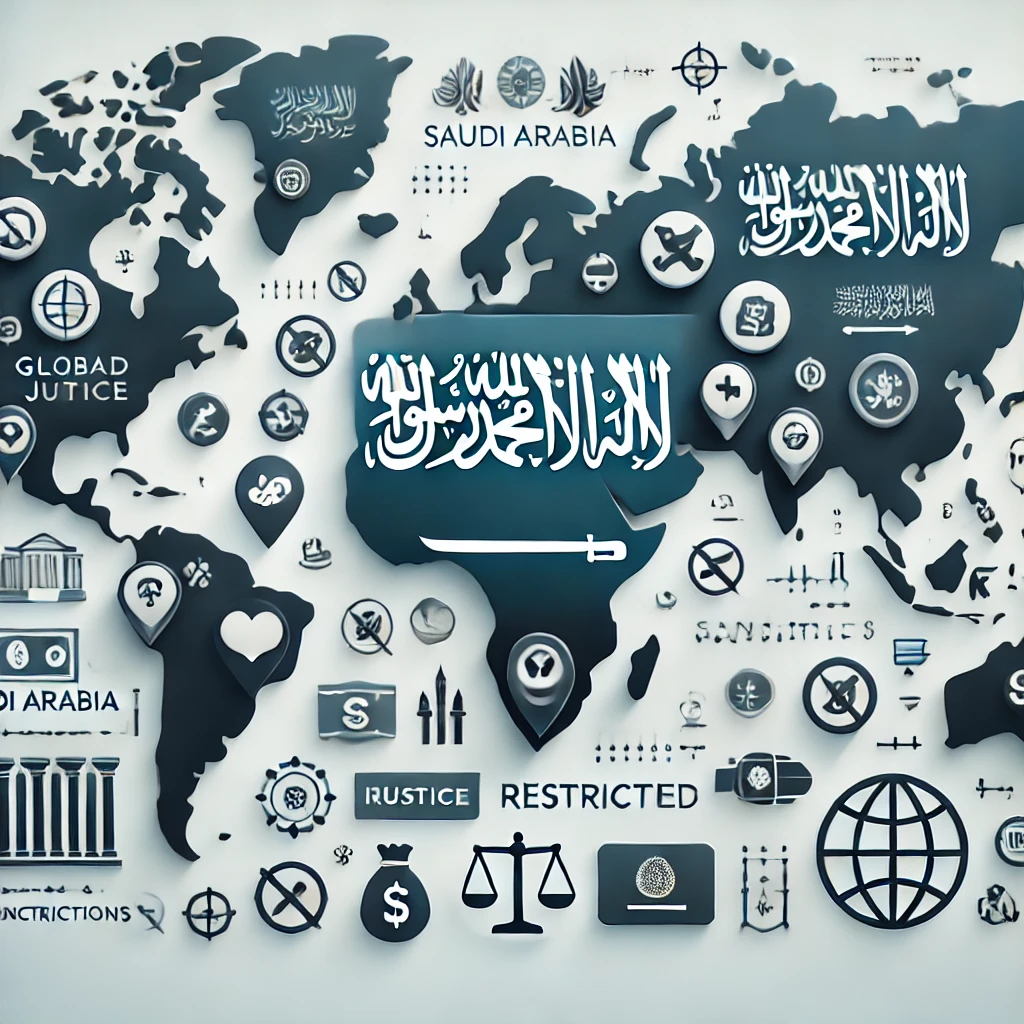
The Impact of Saudi Arabia Sanctions on Global Relations
Sanctions are political tools employed by nations to influence the behavior of other states. In recent years, Saudi Arabia sanctions have emerged as a focal point in international relations, reflecting the complex interplay of politics, economics, and regional stability. Such measures are often a response to perceived violations of human rights, regional aggression, or contradictory foreign policies. The aim of this article is to examine the various dimensions of these sanctions, their motivations, and their broader implications on global affairs.
Understanding Sanctions
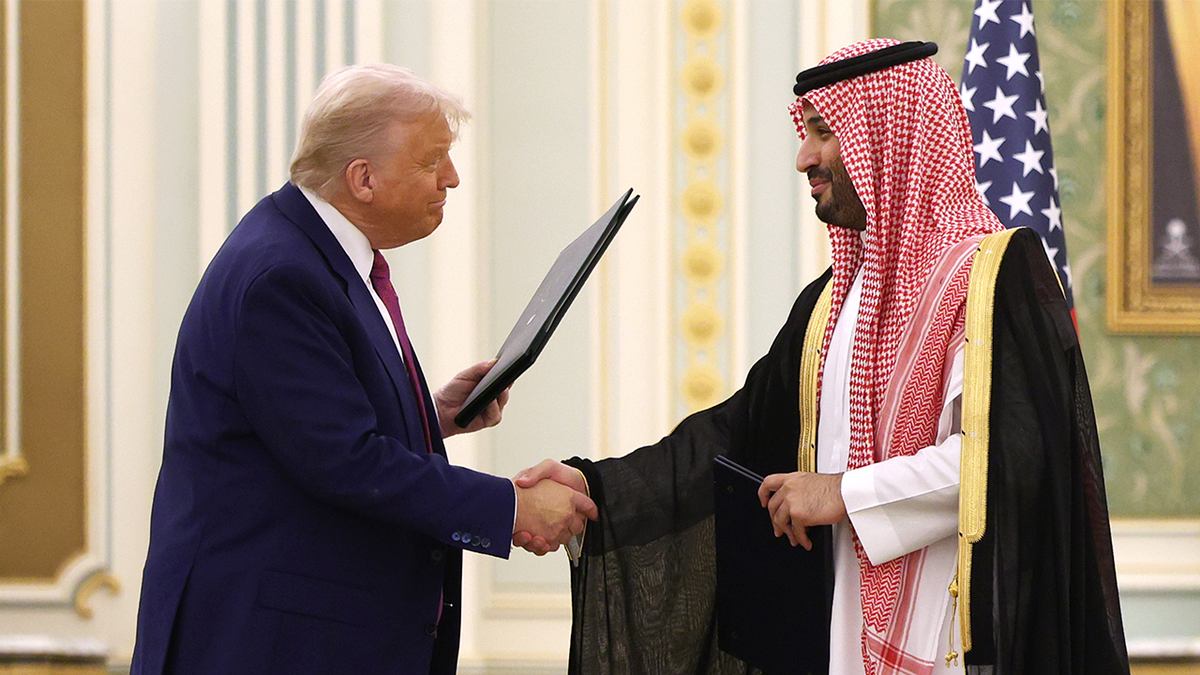
Sanctions can take various forms, including economic restrictions, trade embargoes, travel bans, and diplomatic isolation. Each type is aimed at imposing costs on targeted nations to compel compliance with international norms or legislation. In recent years, the sanctions against Saudi Arabia have largely stemmed from issues related to human rights violations, its involvement in regional conflicts, and the international community’s response to terrorist activities.
Human Rights Concerns
One of the primary motivations behind the sanctions on Saudi Arabia is its human rights record. Critics have pointed to the kingdom’s treatment of dissidents, the limitations placed on freedom of expression, and the grim conditions faced by women and minority groups. The murder of journalist Jamal Khashoggi in 2018 became a symbolic instance that drew global condemnation and fueled calls for sanctions. In response, numerous countries implemented targeted measures against individuals and entities believed to be involved in Khashoggi’s killing, emphasizing the need for accountability in the realm of human rights.
Regional Conflicts
Saudi Arabia’s engagement in military conflicts, notably in Yemen, has also sparked sanctions and international criticism. The conflict in Yemen, which began in 2014, has resulted in a humanitarian crisis, with thousands dead and millions displaced. Saudi Arabia’s role as a principal actor in this conflict has drawn the attention of various human rights organizations, leading to calls for sanctions aimed at reducing its military capabilities. The extent of civilian suffering has raised questions about the ethical implications of military support for Saudi Arabia by other nations.
Global Economic Interdependence
The economic dimension of sanctions against Saudi Arabia cannot be overlooked. The kingdom is one of the world’s largest oil producers, and any sanctions impacting its oil exports could have significant ripple effects on global energy markets. Sanctions are often designed with a dual approach: to penalize the state while minimizing disruption to global economies. However, the challenge lies in achieving this balance, as any adverse impact on oil supply can lead to increased prices globally, affecting consumers and economies alike.
International Responses and Consequences
The international community’s response to Saudi Arabia’s sanctions has varied widely. While some nations have echoed calls for accountability and human rights reforms, others prioritize strategic alliances and economic interests over punitive measures. This divergence reflects the complexities of geopolitical relationships where economic benefits often overshadow ethical considerations. For instance, many Western nations continue to engage in arms trading with Saudi Arabia, despite their official stances on human rights.
The Role of International Organizations
International organizations, including the United Nations and various non-governmental organizations, have been instrumental in advocating for human rights and drawing attention to issues related to sanctions. The UN’s involvement in the Yemen conflict, for example, has aimed to facilitate negotiations and peace processes, seeking an end to the ongoing crisis. However, the effectiveness of these organizations often hinges on the cooperation of member states, making it challenging to implement significant changes in countries like Saudi Arabia.
Future Implications
Moving forward, the implications of sanctions on Saudi Arabia and its responses will play a critical role in shaping the region’s political landscape. As the global community grapples with balancing its ethical obligations against strategic interests, the potential for further sanctions or the lifting of existing ones will depend on developments regarding human rights, military engagements, and diplomatic negotiations. Increased attention to these matters will likely influence not only Saudi Arabia’s future but also the broader Middle Eastern political dynamics.
Conclusion
In conclusion, sanctions aimed at Saudi Arabia reflect a multifaceted approach to international relations, blending concerns over human rights, regional stability, and economic interests. As the world evolves and geopolitical tensions rise, understanding the implications of these sanctions will be critical for policymakers, businesses, and the global community. The outcome of such measures could either inspire meaningful reforms in Saudi Arabia or exacerbate tensions, requiring a careful analysis of strategies that effectively promote accountability and stability in the region.

